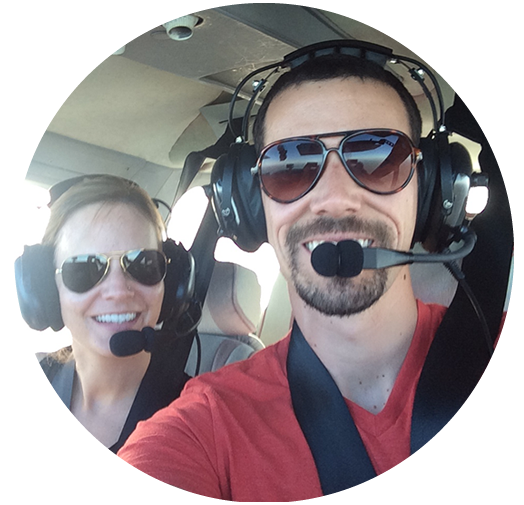
0:05 – Take off from FPK
0:20 – Lansing Capitol under the left wing
0:25 – Michigan State University
0:55 – Flying over UofM Stadium
1:20 – Landing ARB
1:45 – Departing ARB
3:25 – Landing JXN
On Sunday I spent majority of the day flying around Michigan. I got to the airport at 8am and flew with one of my partners in the Cherokee 6 up to his cottage on Beaver Island in his Piper Twin Geronimo. I did record some snippets of that and will put that together later this week. After I returned from that flight I then went flying at 2pm with my flight instructor Patrick to continue working on my instrument rating.
Now that the FAA has specifically published a letter of clarification regarding external mounting of video cameras on your airplane I have started to experiment a little bit more. The letter generally says that small cameras that are not permanently mounted and do not significantly change the aerodynamics or weight and balance of the airplane are no big deal.
So, Patrick and I ziptied one of my GoPro cameras to the front of the beacon on the empennage of 3 Delta Tango. The results were pretty awesome.
We departed Charlotte, flew over Lansing, then over MSU campus and then headed towards Ann Arbor.
I did the VOR 24 approach into ARB then a VOR approach into Jackson and then back in Charlotte we flew the GPS 20 approach. The camera ran out of battery after leaving Jackson and heading back toward Charlotte. After we landed in Charlotte we did a take off and landing on the grass strip to get some soft field practice in with the Cherokee 6. My plan is to fly to Florida this summer and there are tons of grass strips so I wanted to be confident in taking off and landing no problem on the grass. The 300hp engine had us climbing out over 1500ft/min at Vx.
When doing your instrument training you wear a visor that blocks your vision outside of the aircraft. Even though it was a beautiful day to fly I was stuck under the hood for majority of the flight. I did peek once or twice over campus to make sure I had an ok flight path, then at one other point in Ann Arbor there was so much traffic around the airport that we needed all the eyes outside.
Beautiful day to fly and the footage came out better than expected. I’ll definitely try this mounting location again for some Great Lakes flying.
Biggest lesson from this flight:
- During the last flight I wanted to practice running one of the aux tanks dry in a controlled environment so I knew what it felt like when in goes dry when flying. By working the left aux tank dry then working the left main a lot the plane was unevenly weighted. Although not pictured my takeoff track out of Charlotte was pretty terrible due to the right wing being heavier and taking the plane to the right more. I was compensating with rudder more than just throwing in more aileron. It was a noticeably different feeling and a good learning moment.
Other lessons:
- Unlike most the other planes I have been flying the Cherokee 6 normal take-off is with one notch of flaps. On touch and goes I remember to leave in the one notch but have been pretty late bringing them back all the way down.
- Getting a lot faster and more comfortable setting up the different types of approaches.
- Still need to get the plane slowed down and a bit lower after my final approach fix, I’ve been having to drop the power and really drop it in there. I guess that works with a Cherokee 6, but not so well with a slippery plane like a Mooney or Bonanza. I’ll be working to get those habits tuned in a little better.
- The prop filter lens I have been using on my GoPro to cut down on prop blur has been making everything look like crap. I’m not using that anymore and the footage is so much better.


 The most common route to go if you are not looking at a career in aviation is to follow part 61 of the FAA guidelines. If you are following part 61 all you need is a certified flight instructor to spend the necessary time with you in the air and approve you for your written and practical test. The instructor has some flexibility on how they deliver the training and does not have to follow a strict agenda or routine. There are more formal flight schools who will deliver training under part 141 which will follow a rigid agenda and may be less flexible for your schedule.
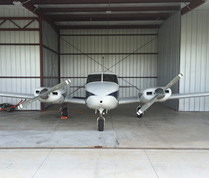 A month ago the Cessna 177RG I used to rent had an unfortunate incident and is now out of commission indefinitely. The FBO I rent at has two trainers and a twin, but it’s hard to rent the trainers for a full weekend trip. The twin however, is regularly available. I’ve been working on my instrument rating but still have 25 hours cross country/pilot in command time to get in; I was thinking of taking a slight tangent and getting my multi-engine, then using that to finish up my XC/PIC time. I don’t really want to fly just for the sake of building hours, I would much rather go places and actually do things so losing the Cessna 177 was tough. Even if I don’t go through and finish my MEL at this time I figured there were worse ways to spend a few hours on a Saturday then flying around a Twin Comanche. Here is my first 1.2 hours of instruction edited down to under 20 minutes.